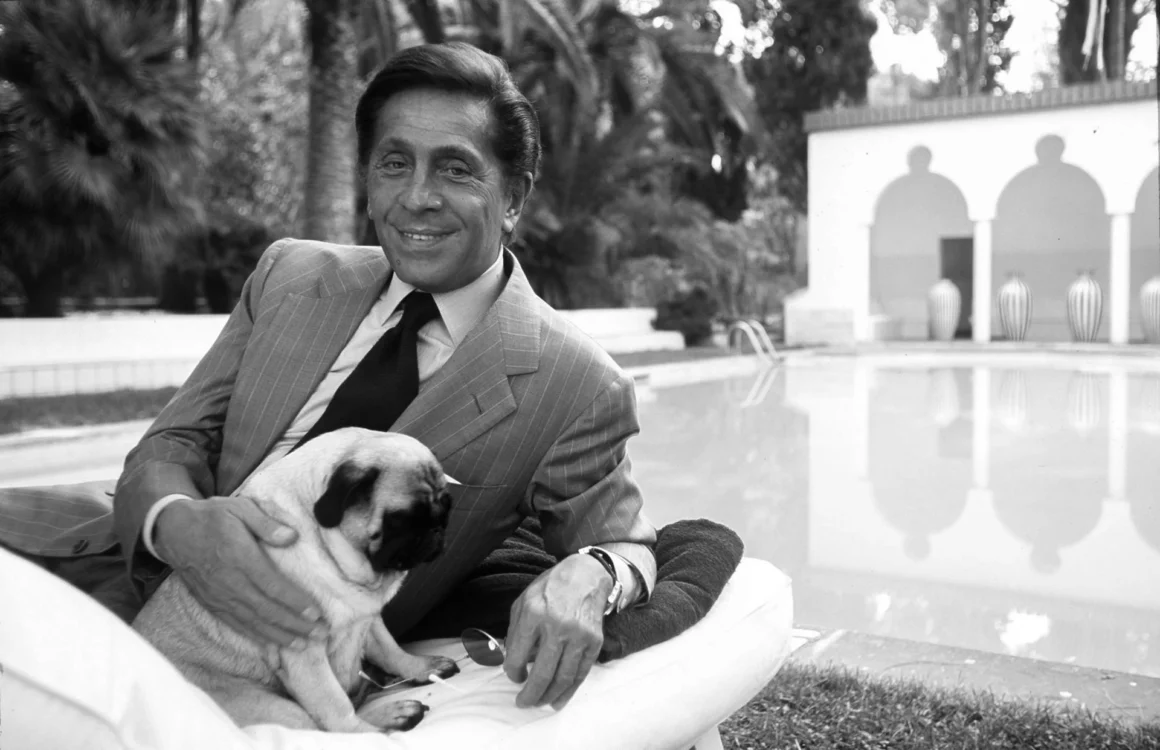
Few names in fashion embody the spirit of haute couture like Valentino Garavani. His career spans more than six decades. His legacy lives not only in the gowns he created but in the story of Italian luxury itself. An architect of elegance and a visionary of refinement, Valentino redefined what it means to dress with grace.
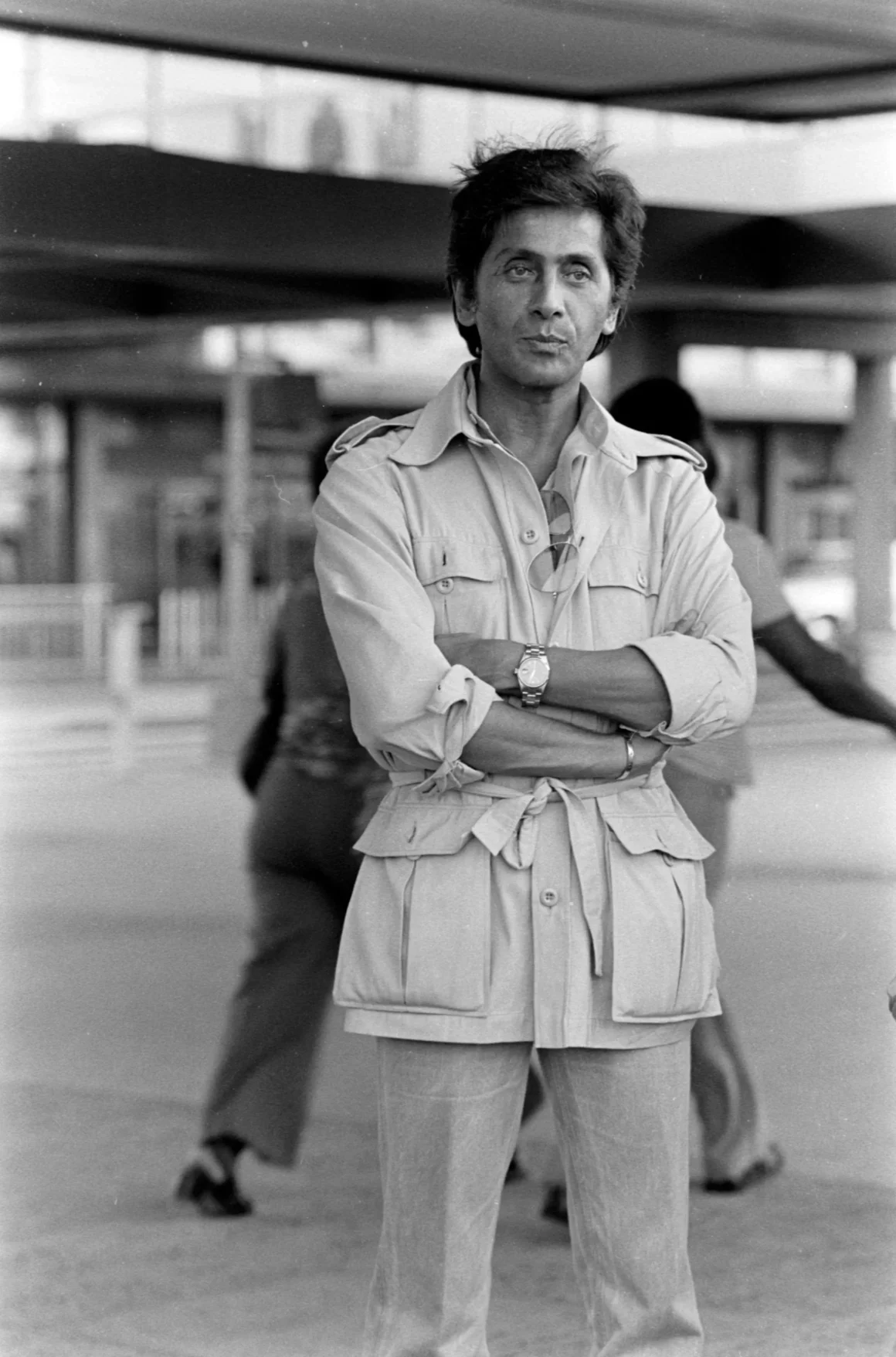
A Roman Dream Begins
Valentino was born in Voghera in 1932. After discovering a passion for design, he moved to Paris at 17 to study at the École des Beaux-Arts and the Chambre Syndicale de la Couture Parisienne. He later trained with Jean Dessès and Guy Laroche, learning the art of couture from inside the ateliers.
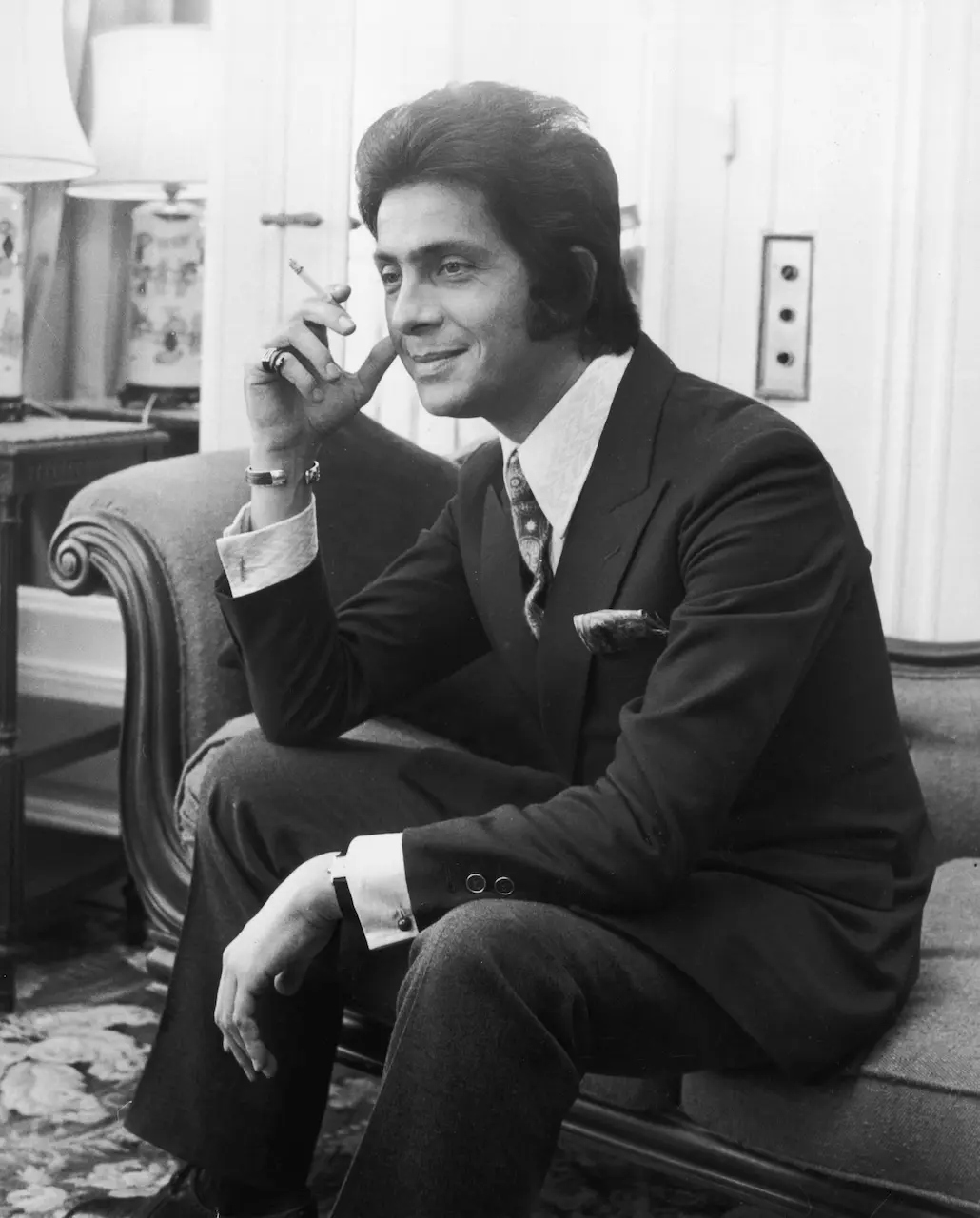
In 1959 he opened his first atelier on Via Condotti in Rome. His debut haute couture collection was titled Ibis. A year later, he co-founded Maison Valentino with Giancarlo Giammetti, who helped guide both the brand’s growth and its artistic vision.
In 1962 Valentino presented his collection at Sala Bianca in Florence. The show marked his arrival as a new voice in international fashion.
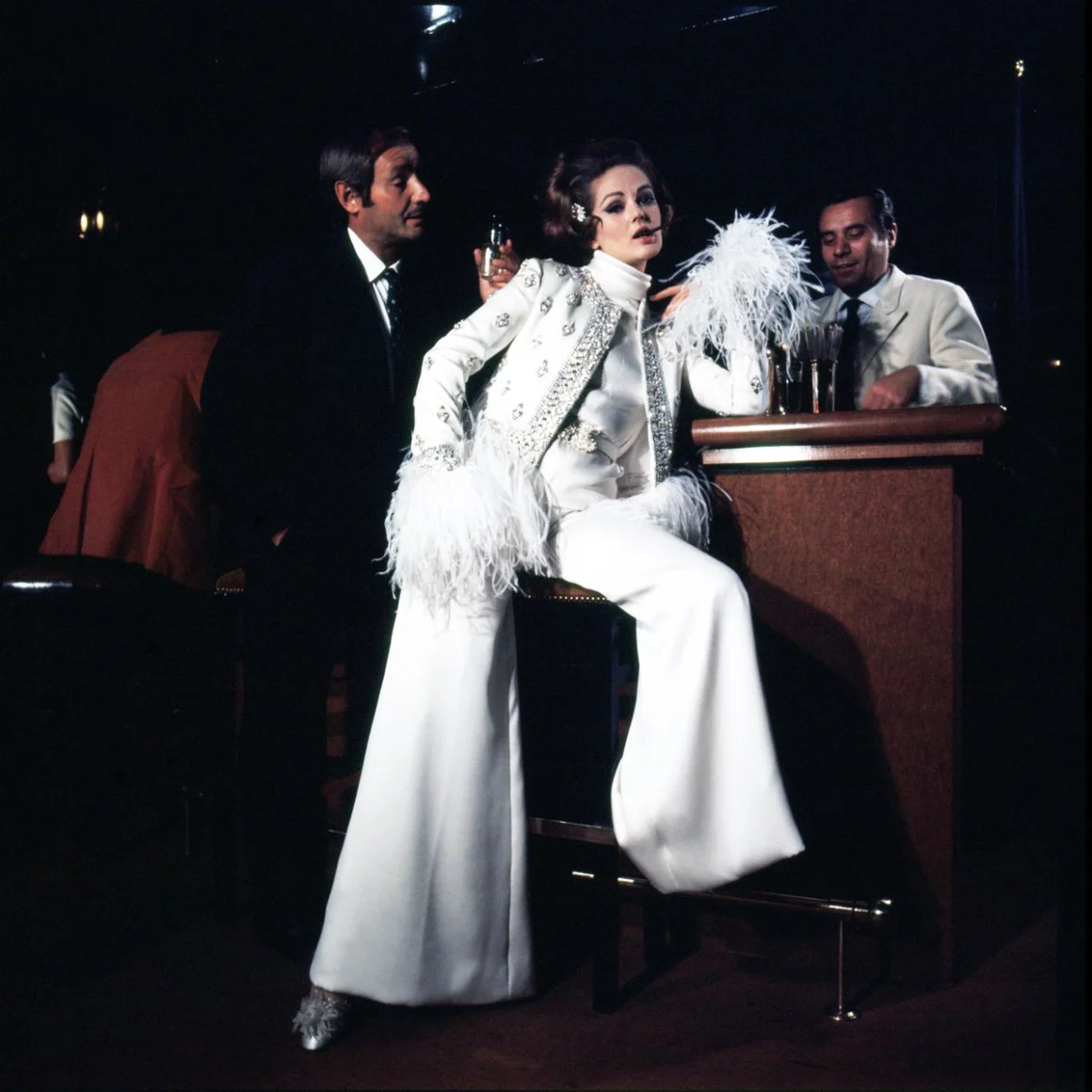
The White Collection and Global Reach
Valentino’s breakthrough came in 1968 with his White Collection. Its quiet elegance stood apart from the colorful trends of the time. That same year Jacqueline Kennedy wore Valentino for her wedding to Aristotle Onassis, a moment that brought the brand to global attention.
Soon after, Valentino expanded his presence across the fashion capitals. His first boutique opened in Paris in 1968. Stores in Milan, Rome, New York, London, and Tokyo followed in the years ahead. The Maison became known for dressing women of influence, including Audrey Hepburn, Grace Kelly, Elizabeth Taylor, and Sophia Loren. Their appearances in Valentino helped shape the house’s reputation as a destination for refined glamor.
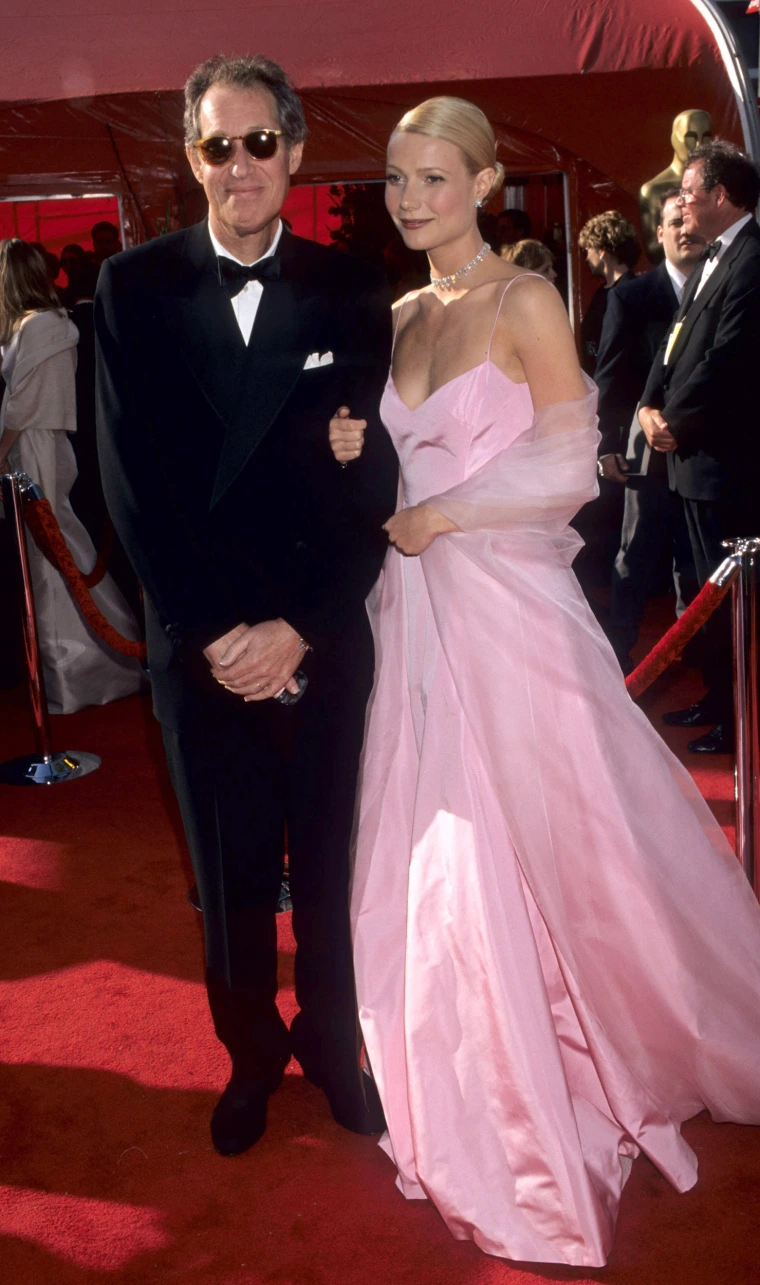
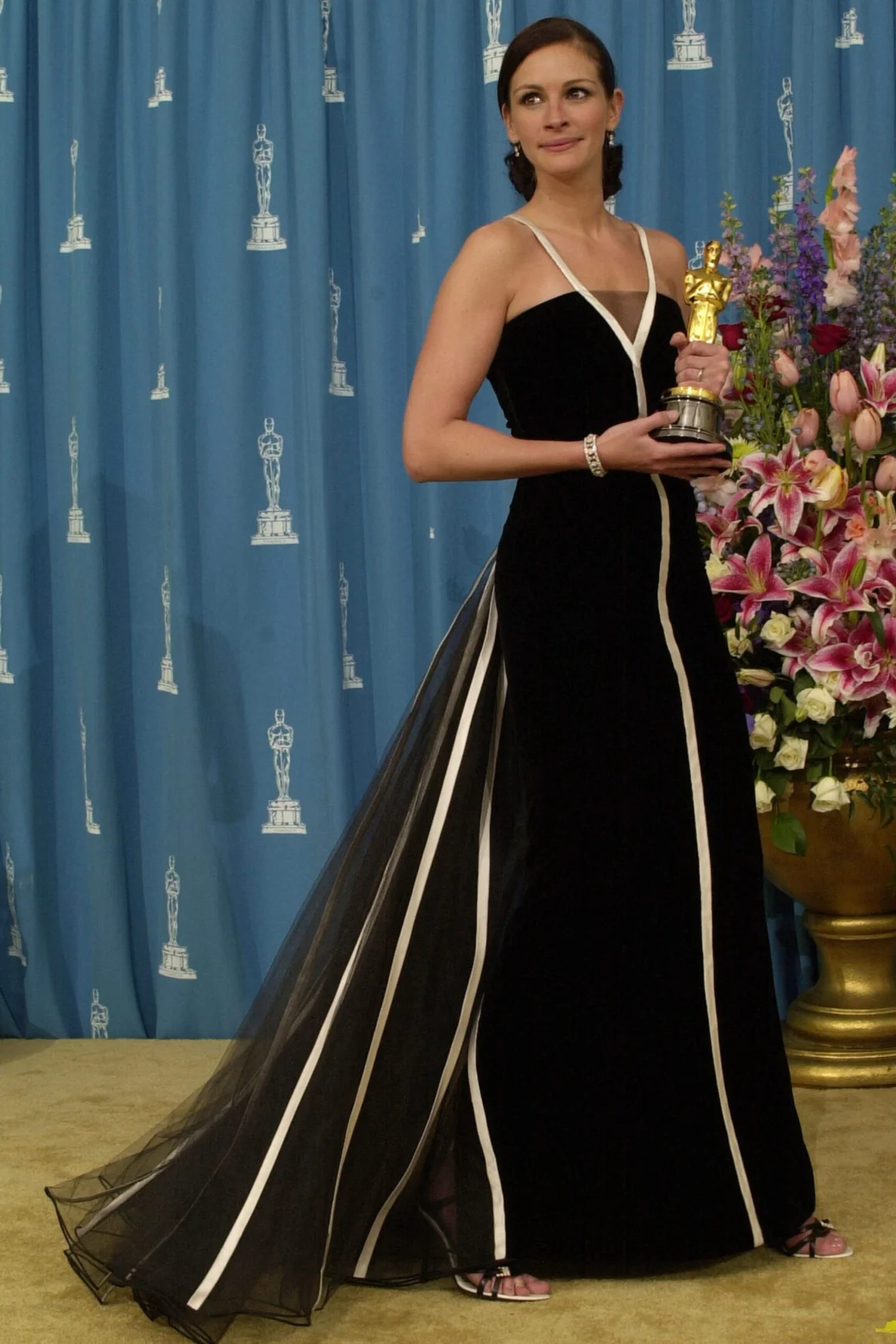
Over the following decades, that reputation became even more established. Gwyneth Paltrow wore a pale pink Valentino gown to the 1999 Academy Awards, the night she accepted her Oscar. The look captured a sense of softness that defined the house’s aesthetic. In 2001, Julia Roberts wore vintage Valentino from 1992 to collect her own Academy Award. The black velvet and white trim stood out for its simplicity and history. It became one of the most iconic Oscar dresses of all time.
A Growing Legacy
Valentino introduced ready-to-wear in the 1970s. His collections offered the same refined aesthetic with a more modern approach. In 1978, he launched his first fragrance with a theatrical event at the Théâtre des Champs-Élysées that included music and ballet.
His work received international recognition. He was invited to show in Tokyo and later presented a collection at the Metropolitan Museum of Art in New York. The event was curated by Diane Vreeland and combined fashion with performance. Guests included Liza Minnelli, Muhammad Ali, and Brooke Shields.
At the center of Valentino’s vision was a deep respect for craftsmanship. His atelier became known for its dedication to handmade techniques. Embroidery was completed by hand, details were carefully constructed, and fabrics were shaped with architectural precision. These methods gave Valentino designs a sense of structure and grace. The process was slow and deliberate, shaped by tradition and a constant pursuit of beauty.
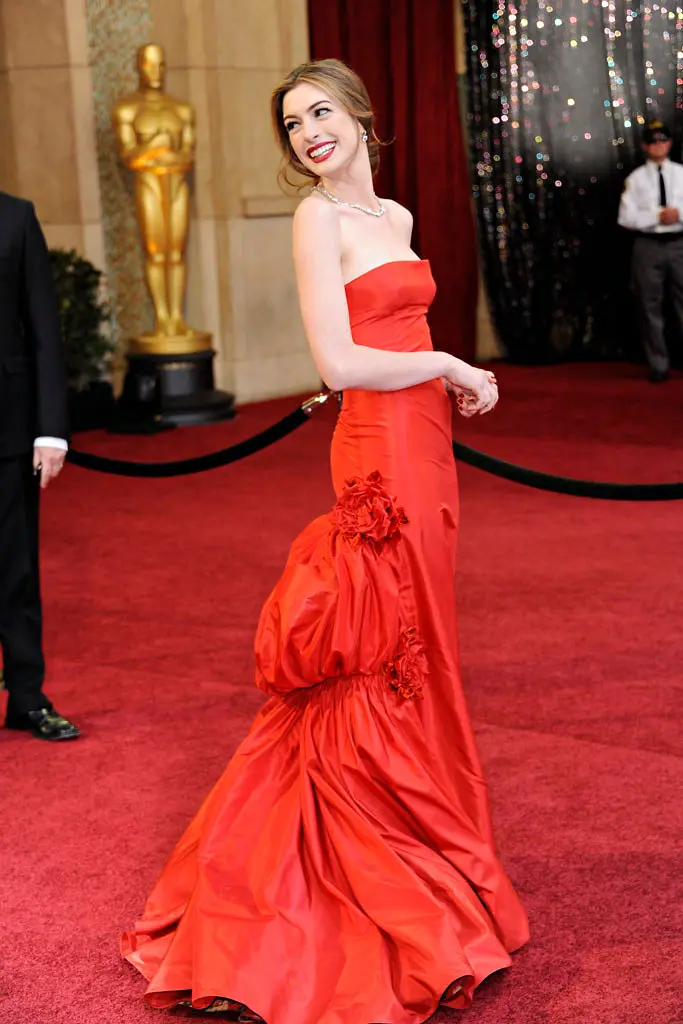
Red carpet appearances continued to highlight the house’s creative strength. In 2011, Anne Hathaway stepped out in a vivid red Valentino gown on one of the most celebrated nights in film. The silhouette was clean, and the color defined the look. Valentino Red had become more than a signature shade. It was a symbol of confidence and tradition.
Such moments spoke to a deeper legacy – one that was soon recognized at the highest levels.
A Grand Farewell
In 2007 the Maison marked its 45th anniversary with an exhibition at Rome’s Ara Pacis Museum. More than 350 designs were displayed to celebrate the house’s legacy. That same year Valentino announced his retirement. His departure closed a chapter in fashion history.
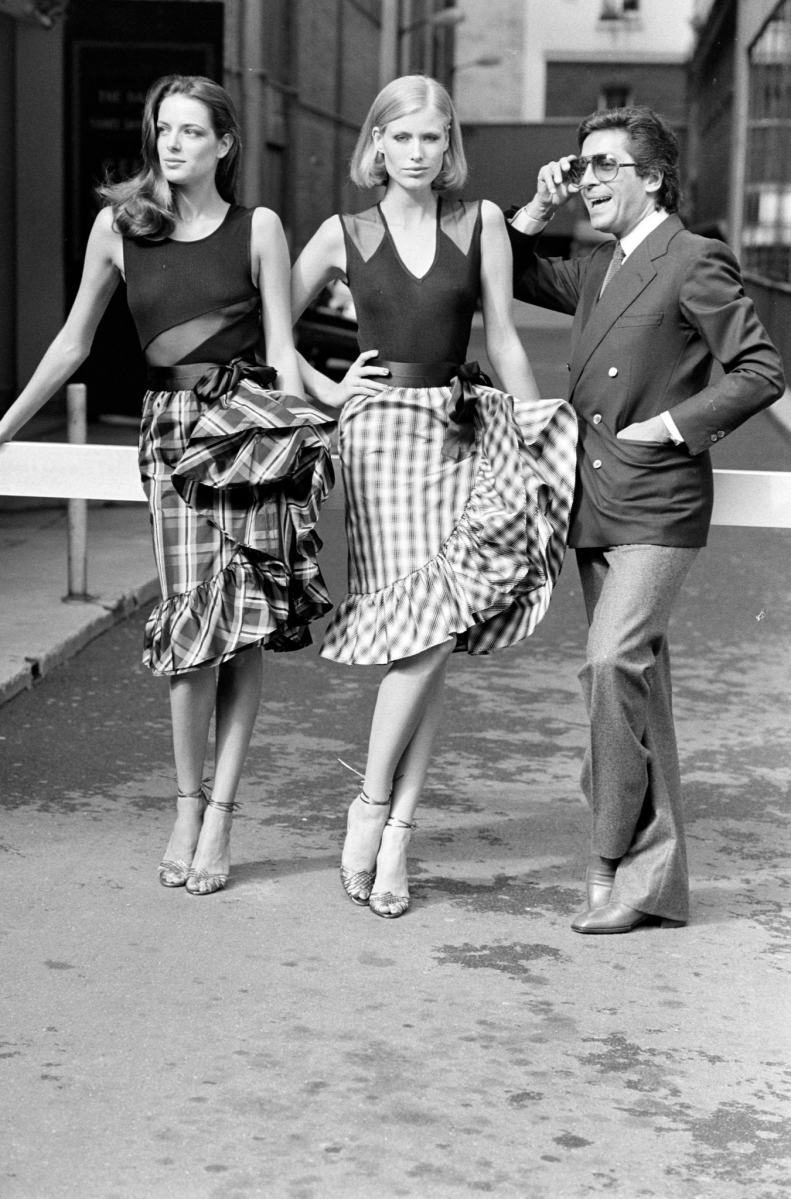
What remained was a strong identity rooted in values that had been built inside the atelier. The Rome-based studio continued to follow the codes of the house through expert craftsmanship. Seamstresses, tailors, and fabric specialists worked together to bring each design to life. From initial sketch to final detail, every piece reflected the tradition of couture as an emotional and creative art.
Creative leadership then passed to Maria Grazia Chiuri and Pierpaolo Piccioli. In 2016, Piccioli became the sole creative director. He brought a more personal and poetic direction to the house while staying close to its heritage.
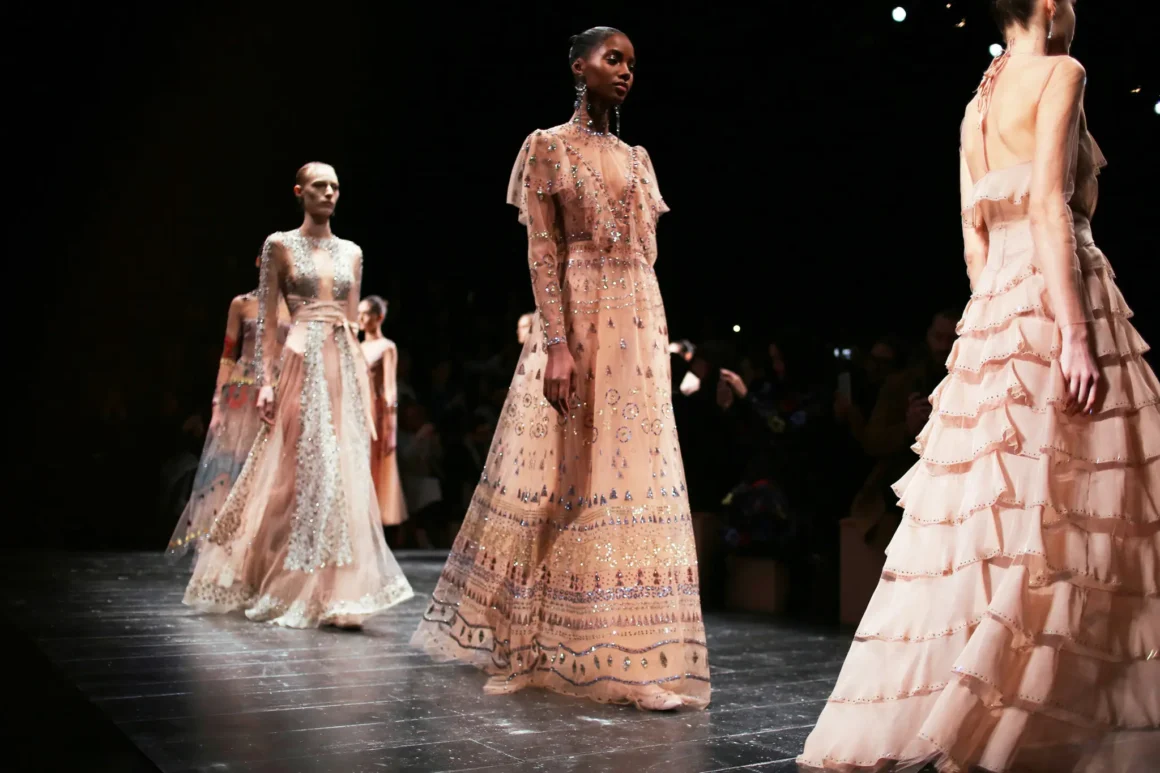
Under the ownership of Mayhoola for Investments, the brand expanded its global presence. In 2018, Valentino partnered with L’Oréal to develop fragrances and cosmetics that reflected the same values as its fashion.
Looking Ahead
In 2023, Valentino entered a new phase of growth when Kering became a major shareholder. The following year, Alessandro Michele was appointed creative director. Known for his romantic and expressive style, he now oversees all collections, including couture. In 2025, Riccardo Bellini joined as CEO, bringing a vision shaped by both heritage and innovation.
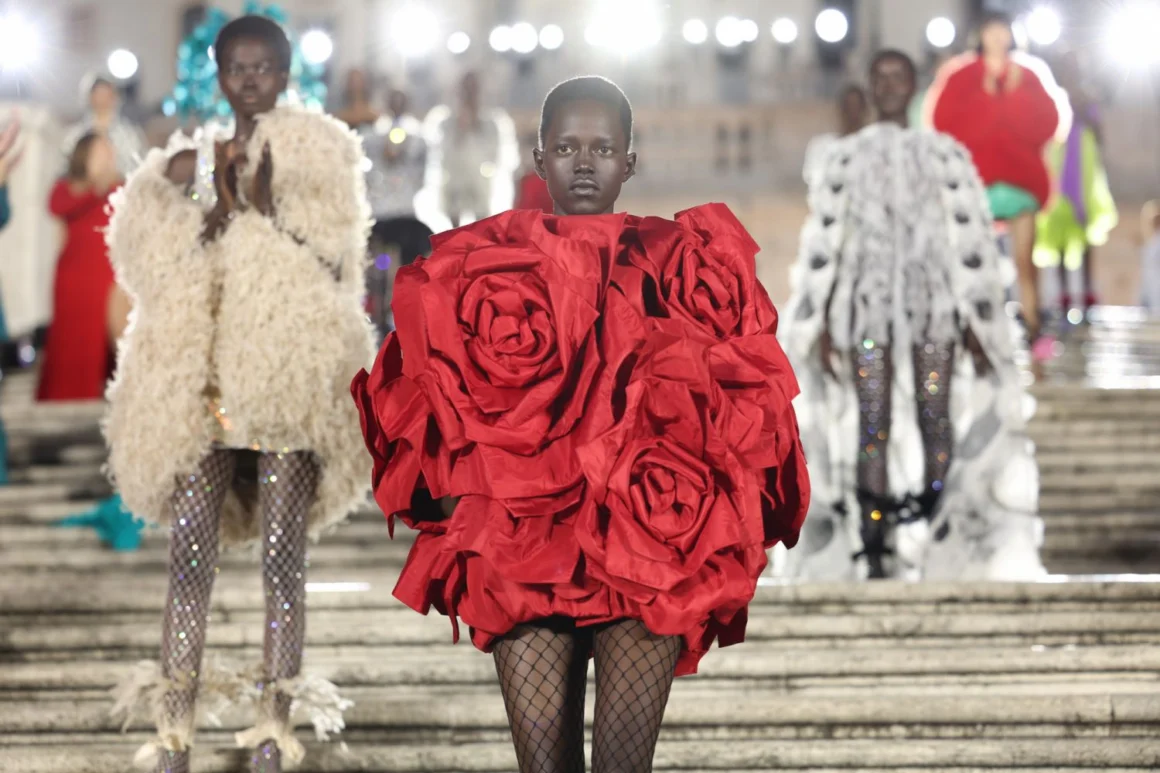
Valentino has also entered the digital space through a collaboration with Meta, offering virtual looks that reflect the brand’s values of beauty and individuality.
The red carpet remained an extension of Valentino’s identity. Zendaya wore a structured red two-piece to the Venice Film Festival in 2021. The look was bold and modern while staying true to the house’s focus on silhouette and presence. Cate Blanchett, Jennifer Aniston, and Penélope Cruz continued to wear Valentino at major events, keeping the spirit of classic Italian couture alive for a new generation.
A Living Legacy
This January, the house marked the moment with a message on its website.
“Thank you, Mr. Valentino.”
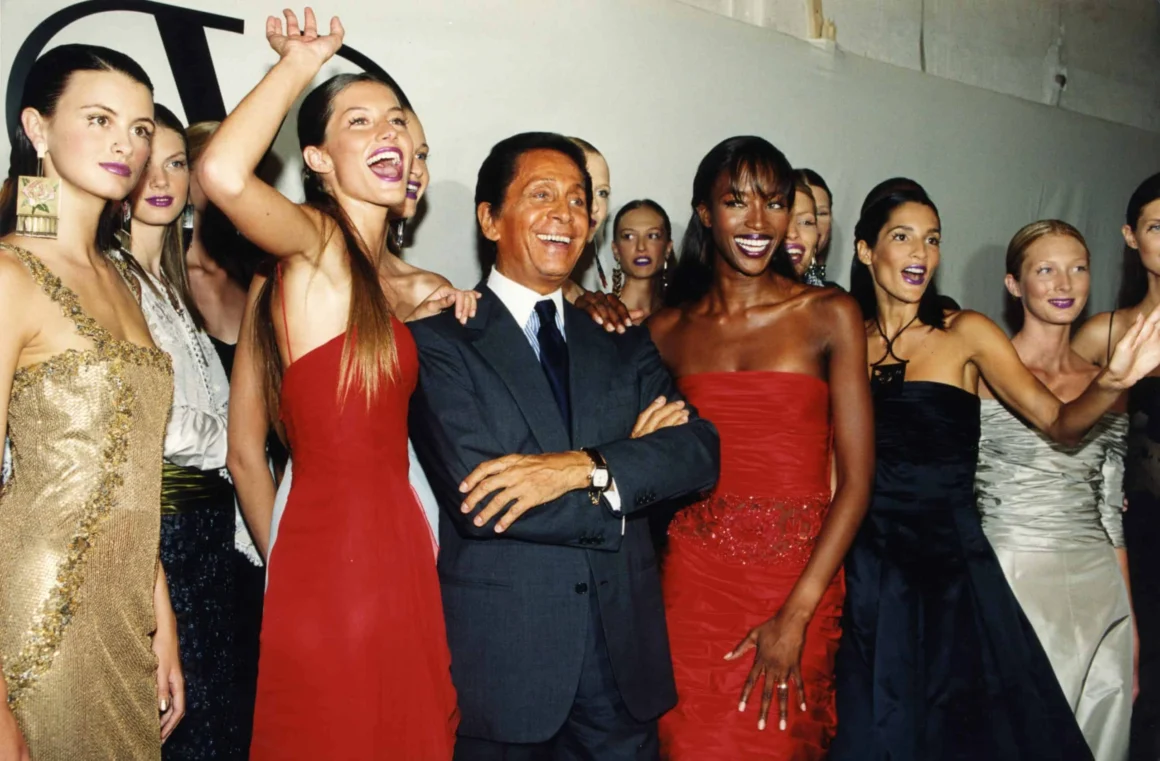
Following his passing, the world of fashion paused to honor a man whose name became synonymous with timeless elegance and uncompromising beauty. The message honors not just the man but the legacy he created. His vision continues to inspire every collection that bears his name.
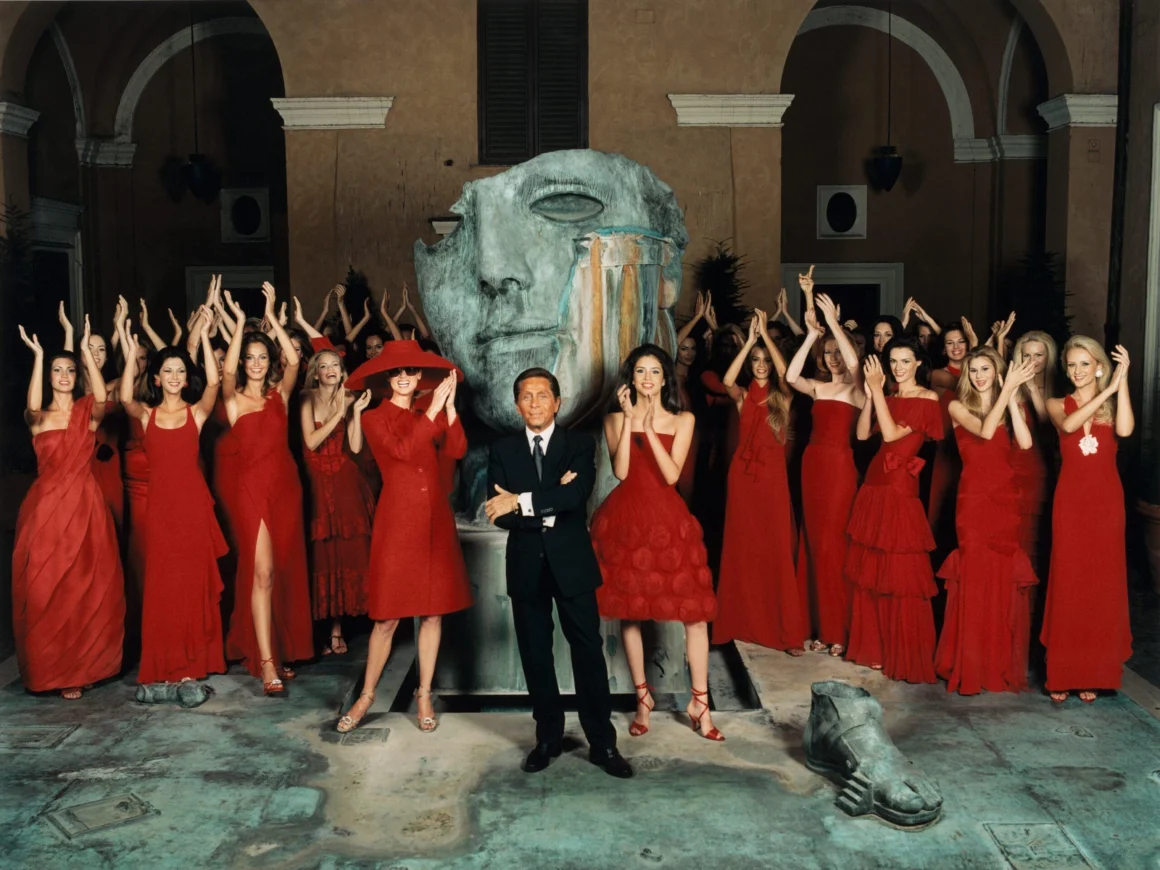
Valentino’s influence can be seen in the work of designers across generations. His bold use of red helped shape the language of modern eveningwear. His commitment to craftsmanship and emotional clarity set a standard that continues to guide the industry. Many have looked to his work for its balance, precision, and enduring elegance.
His legacy is one of beauty shaped by discipline. From early sketches in Rome to final fittings on the world’s most visible stages, the house has remained committed to timeless style. Through its couture and the women who have worn it, Valentino has left a mark not just on fashion but on culture. It is a brand of couture, a brand of romanticism, a brand of grace. As the Maison evolves, it carries forward the belief that style should move with grace and speak with confidence. That idea remains stitched into every piece, just as it always has.
Read more FASHION articles HERE